
By Dr. Heba Anis
Published: 2015-01-15 — Part one of the chemical peels series
Chemical peeling is a long, wide topic — so we’re splitting it into parts, so the full picture reaches you clearly.
What is a chemical peel?
A chemical peel is the process of removing an entire layer from the skin’s surface — this isn’t just light exfoliation; it’s a therapeutic step that needs understanding and care.
If you’d like to know more about your skin and its nature, read the “Your Skin” article first.
Chemical peels fall into three broad categories:
- Light, like AHA
- Medium strength, like TCA
- Strong and deep, like salicylic acid
They’re used to treat blemishes, superficial pigmentation, scars, or wrinkles (visible peeling afterward isn’t guaranteed — actual peeling depends on your skin type and the concentration of the active ingredient).
First: Fruit acids — Alpha Hydroxy Acids (AHA)
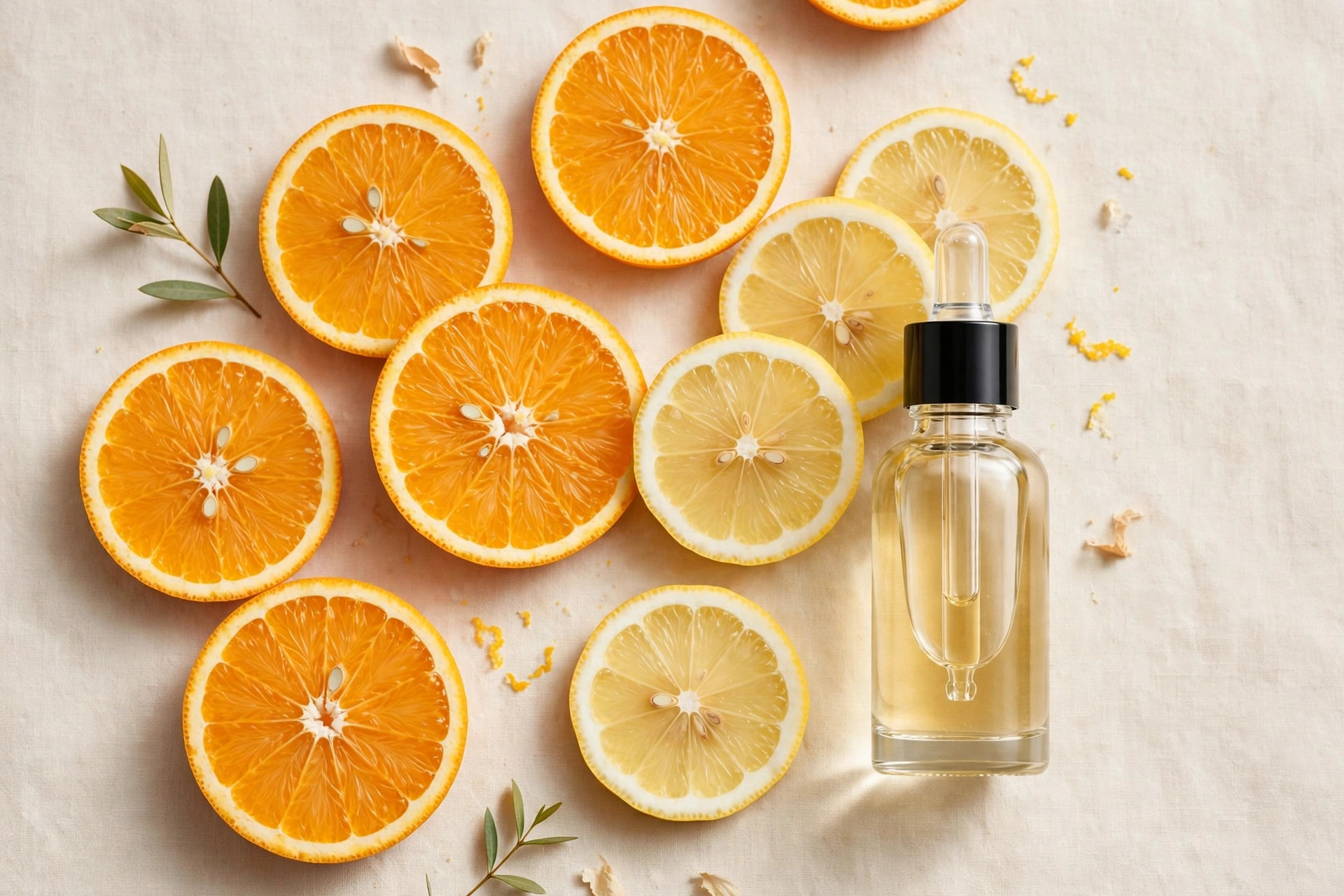
These are natural acids extracted from natural ingredients like fruits and plants: tomatoes, oranges, sugar cane, and milk or natural yogurt.
They’re used for all kinds of therapeutic purposes: from removing dead cells to fully peeling the skin — depending on the concentration and type. They’re used in food and medicine too.
They’re recommended for treating acne, scars, spots, and pigmentation.
Concentrations start at 1% or less, with a maximum of 10% in skincare products — and you can find them in daily cleansers or creams, as a safe, natural way to get rid of unwanted dead cells and give cells the chance to renew and the skin to breathe.
I recommend skincare products containing these acids — but they should include complementary treatment ingredients: moisturizers and skin soothers, plus therapeutic ingredients for the condition being treated.
They’re considered safe for at-home peeling even at higher concentrations — of course, with careful attention to the precautions of at-home peeling, which we’ll discuss in detail at the end of the series.
Types of fruit acids
Note that you don’t have to use all the types together — nor is it forbidden. The choice depends on the concentration:
- Glycolic acid: naturally derived from sugar cane, and used in skin and hair treatments depending on the concentration added.
- Lactic acid: derived from dairy products, especially goat’s milk and yogurt. It’s recommended for all skin types, even sensitive skin.
- Tartaric acid: extracted from unripe grapes.
- Citric acid: found in oranges and lemons.
- Malic acid: found in many fruits and vegetables, mostly in apples and cherries.
- Mandelic acid: an alpha hydroxy acid derived from bitter almonds, with antibacterial properties.
Notes on Alpha Hydroxy Acids (AHA)
We recommend them as explained above — but there are cautions and effects to keep in mind during use:
- At high concentrations, like 10%, redness or flaking may appear — so moisturizing and sun protection are a must. Sun protection is mandatory even at low concentrations.
- Pregnancy and breastfeeding: generally considered among the lower-risk peels — but it’s best to consult your doctor before using them during pregnancy or breastfeeding, at a maximum concentration of 10%.
- Sensitive skin: requires attention to environmental conditions, routine, and close monitoring during treatment. There are no other ingredient interactions to beware of.
Follow the rest of the series to learn about the other peel types: their advantages and disadvantages.
With love and care.
Leave a Reply