
By Dr. Heba Anis
Published: 2014-01-15
If you dream of clear, radiant, younger-looking skin, three essentials belong in your daily and weekly routine:
Sun protection – hydration – and a weekly gentle exfoliation
Today we’re talking about hydration — just as important in summer as it is in winter — and especially the kind of hydration that draws water into your skin.
Two kinds of hydration
There are two types of hydration:Hydrator andMoisturizer
Simply put: a hydrator is a “water booster” that pulls moisture into your skin, while a moisturizer “locks” that moisture in and keeps it from escaping.
The difference isn’t obvious on cream and serum labels, so you might end up using one when you actually need the other — or buy a product labeled “moisturizer” when what you really need is hydration from within.
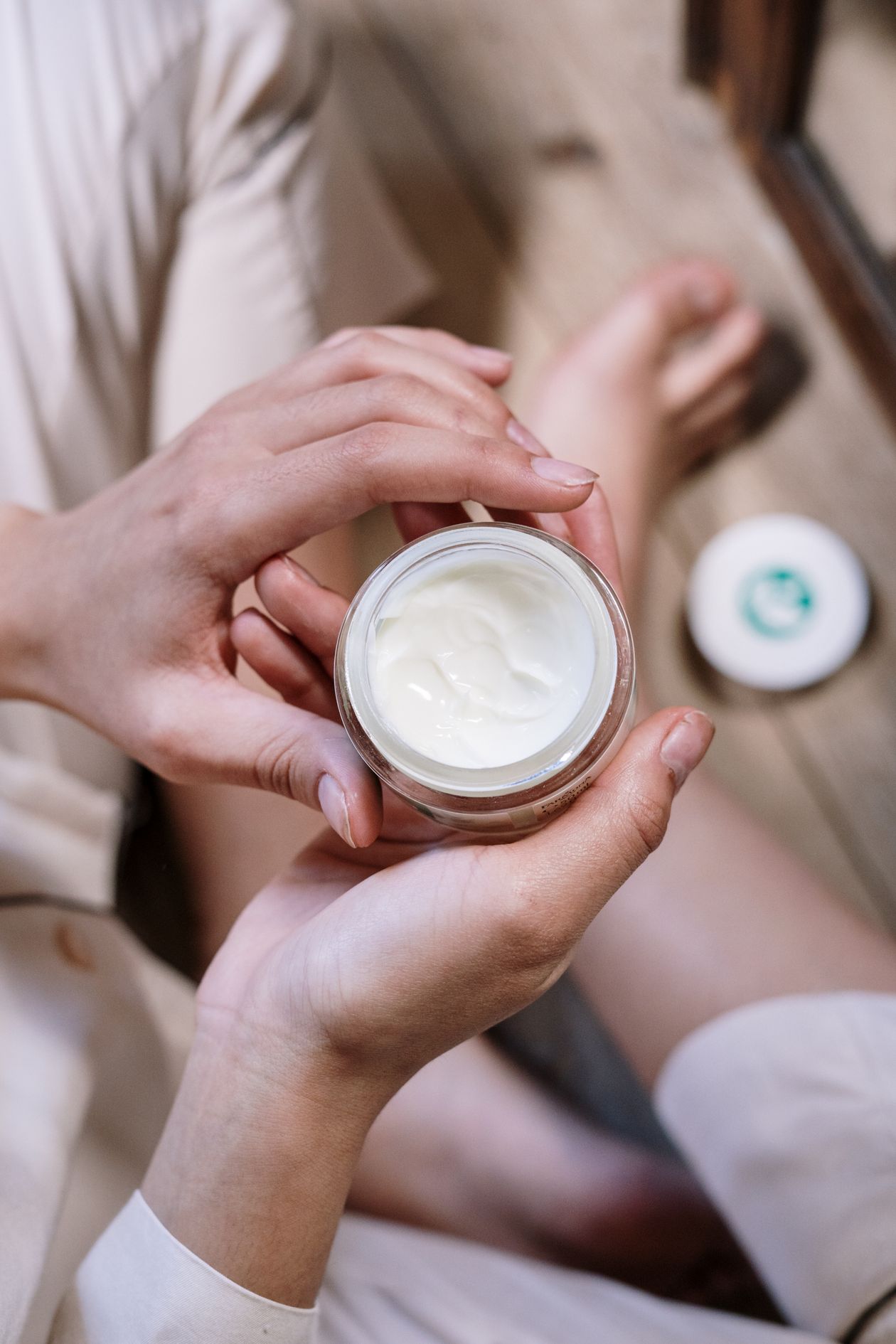
Moisturizer
Its job is to limit water loss by forming a barrier on the skin’s surface — a barrier that keeps your skin holding on to its internal moisture and prevents it from evaporating throughout the day. That’s why it’s usually found in products containing fatty substances or oils.
Your moisturizer needs change with age and with your skin’s condition: at certain stages, the right moisturizer for you can be completely different from the one before or after. The golden rule: choose based on your skin’s current condition and your age.
Hydrator
Its job is to increase moisture inside the skin itself by drawing water toward it — especially from the humidity in the surrounding air — like products with hyaluronic acid (a substance famous for its ability to attract and hold water), honey, and glycerin. And hydration has to come from the inside too: drink water and fluids, coconut water in particular
That’s why you may notice hyaluronic acid working differently between summer and winter — it draws part of its effectiveness from pulling moisture out of the air around you
And because some skin types need a moisturizer along with the hydrator to seal that moisture in: you can’t, for example, apply a hyaluronic acid serum and walk out into the sun — or wash your face in the morning with a harsh cleanser that strips moisture — then come back saying “I don’t feel it’s hydrating.” No, it is hydrating — but your exposure to dryness, sun, or makeup without protection pulls that moisture right back out. In that case, you need an internal water booster plus an external moisturizer to trap and protect your skin from losing it.
Healthy, normal skin can produce a thin lipid layer from its own oil glands that coats the skin’s surface and keeps hydration locked inside — without releasing excess oil on the surface
But when this process goes off balance:
- Increased oil production (oily or combination skin ): you’ll need a water booster summer and winter, because the drier your skin gets inside, the more oil it produces — and the more you try to dry out that oil, the more you expose your skin to other problems from lack of water and moisture, like enlarged pores and breakouts.
- Severe dehydration (dry skin ): lack of moisture exposes it to premature wrinkles, cracking, and flaking.
In both cases, you need to step in with the right moisturizer for your condition
- Oily and combination skin needs an oil-free water booster, like hyaluronic acid.
- Dry skin, or skin over 30, benefits from both: the water booster first, and the moisturizer as the last step in your routine.
The bottom line
Both are important and neither can replace the other — and most good skincare products actually contain both.
A hydrator is needed by every skin type with no exception, at every age and in every season — because it helps skin cells work more efficiently, stimulates collagen production (the protein responsible for firmness and elasticity), and keeps your skin supple, radiant, and youthful.
You’d use it alone — without a moisturizer — if your skin doesn’t lose moisture easily, if you protect it with a daytime cream that has sun protection, or if you’re young.
Moisturizer: great for sealing moisture into the skin, with that soft, comfortable, hydrated feeling all day
On its own, it can hardly do more for your skin than give you comfort, softness, and preservation of its natural internal moisture — but it may not be enough if you have a deficit in internal moisture, which is the more important part.
Worth noting: some moisturizers contain nourishing ingredients for the skin, or brightening ones, or anti-wrinkle ones — and their benefits are genuinely effective (like collagen, ceramides, shea butter, and others) — but our focus today is on the hydration factor alone.
Leave a Reply