
By Dr. Heba Anis
Published: 2014-07-15
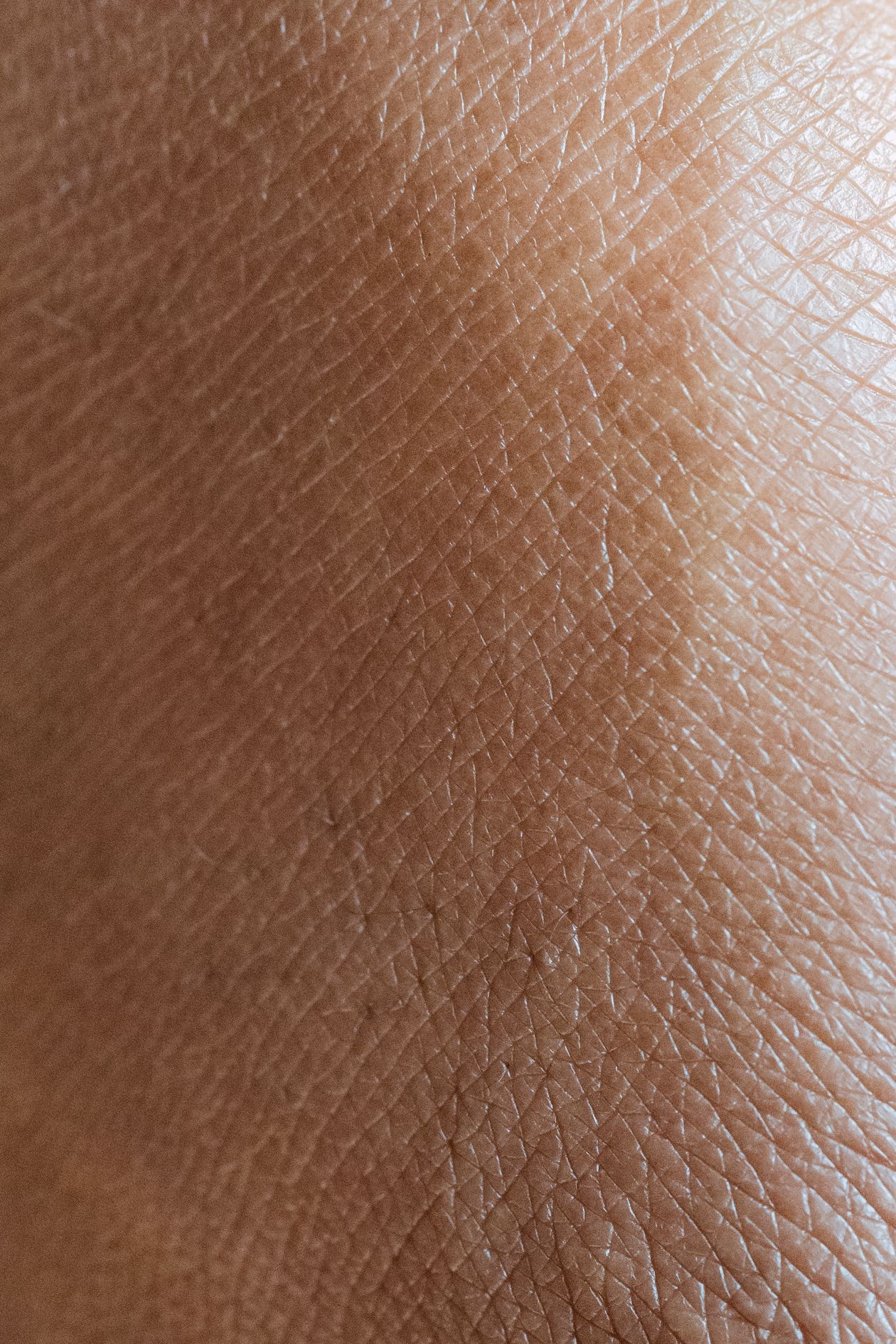
Before you pick any product or treat any skin concern, you need to know what your skin itself is made of — once you understand it, you’ll know how to treat it right.
The layers of the skin
Your skin is made of four layers of cells, from the outside in: the horny layer (stratum corneum), the granular layer, the spiny layer, and the basal layer.
The horny layer
It’s made of about 15 to 40 rows of dead cells, filled with a strong, water-resistant protein called keratin (the same protein your hair and nails are made of).
The granular layer
It’s made of one or two rows of dead cells containing tiny granules of keratin.
The spiny layer
It’s made of about 4 to 10 rows of living cells, with spiny-looking projections where the cells meet one another.
The basal layer
It’s made of living cells in a single row of tall, narrow basal cells — and it also includes the melanocytes, the pigment-producing cells that make a brown pigment called melanin (the substance that determines your skin color).
The basal cells keep dividing and forming new cells: some stay in the basal layer, and others move upward toward the skin’s surface, eventually forming the skin’s upper layers. These are called keratinocytes, and they produce keratin — which gives skin its toughness and blocks fluids and certain substances from passing through. The further up they travel, the more they fill with keratin — and by the time they reach the skin’s surface, they’re dead, dry, and flat, and finally they detach and fall off as thin flakes. That’s the natural renewal process that keeps your skin regenerating on its own.
The dermis
Directly under the skin lies the dermis, made mainly of blood vessels, nerve endings, and connective tissue. The blood vessels nourish both the dermis and the skin above it. The surface of the dermis has many small projections called papillae that fill grooves in the underside of the skin — this is how the dermis bonds with the skin. The papillae contain touch-sensitive nerve endings, which are especially abundant on the palms and fingertips.
Subcutaneous tissue
Under the dermis sits the subcutaneous tissue, made mainly of connective tissue, blood vessels, and fat-storing cells. It cushions the body against knocks and injuries, and also helps preserve body heat. The amount of stored fat grows with food intake — and when the body needs extra energy, it burns this stored fat.
Pigment cells and skin color
Every square centimeter of skin holds about 150,000 pigment cells. They live in a thin layer directly under the skin, and their job is to protect the body from harmful ultraviolet rays.
Skin color varies widely between peoples and individuals, and it’s mainly determined by how much brown melanin the pigment cells produce. People of all backgrounds have roughly the same number of these cells — but in darker skin, the melanin-producing cells make more melanin than in lighter skin. How much melanin each person produces depends mostly on genetics. Still, sun exposure increases melanin production and darkens fair skin. Sometimes melanin clusters in small patches, forming freckles — most commonly on the face and hands — and sun exposure makes freckles worse.
With age, the melanin-producing cells start producing melanin irregularly: some areas of skin stay light while others turn dark. These dark spots are sometimes called age spots or liver spots. Skin also becomes thinner and drier with age — so it starts to wrinkle and gets covered with scales. And the skin of an older person bruises, tears, and cracks easily, and heals very slowly.
Skin types
Dry skin
It looks tight, has narrow pores, feels rough, and tends to wrinkle. Its oil glands produce little sebum, so it dries out quickly and easily, and it’s very sensitive to weather changes.
Oily skin
Thick and shiny, it produces a lot of oil, resists weather changes better — but it’s prone to pimples and blemishes.
Normal skin
Soft and supple, it rarely causes problems. It’s usually a little oily on the chin and around the base of the nose — where the oil glands are concentrated — and less oily on the cheeks.
Leave a Reply